

These tumor-like growths look like bad news. But for many beloved native plants, they’re actually the picture of health.
Beneath many of San Antonio’s drought-tolerant native trees and shrubs lies a mutualistic relationship gardeners cannot see.
Deep below the dirt, nutritious nodules form along the subterranean taproots of huisache, mesquite and Texas mountain laurels — creating one of nature’s most magnificently mutualistic relationships!
Most native plants can’t draw nitrogen directly from the air and are forced to rely on what’s already present in the soil (or what can be added in various forms, from mulch mowing to fertilizers).
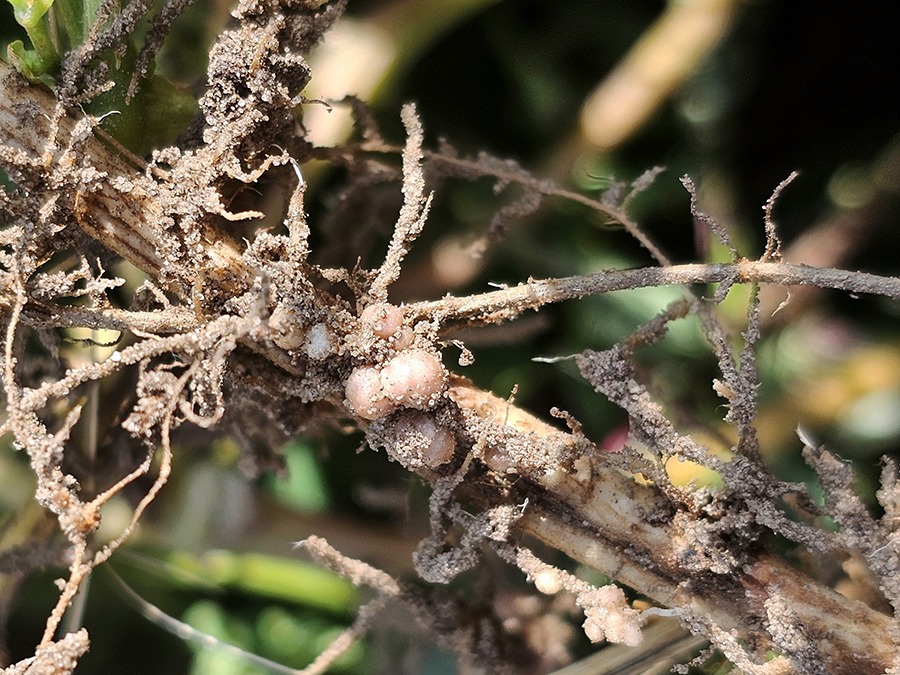 But thanks to these small tumor-like growths, many native species of the Fabaceae (legume or bean) family have become some of the most resilient and widespread plants across Central Texas.
That’s because the growths contain rhizobia bacteria, which create anaerobic environments that allow the nitrogen-fixing process to occur and connect directly to the plant tissues, facilitating the flow of nutrients between the bacteria and the plant’s roots.
In our thin, rocky local soils, available nitrogen, organic matter and other nutrients are limited, making a free nitrogen-fixing bacterial partnership very valuable to the native legumes that rely on it.
Both species involved depend on and benefit from each other: The plant provides the bacteria with sugar carbohydrates, and in return the rhizobia convert nitrogen gas from the atmosphere into ammonium, a form the plant can use.
The benefit of this mutualistic relationship extends beyond the lifespan of the plant. As the roots and nodules begin to break down, the nitrogen stored is released into the surrounding soil, benefiting nearby plants. This is one reason a mixed native bed, planted with a legume along other perennials or grasses tends to perform better over time.
For San Antonio gardeners dealing with our difficult growing conditions, this presents a practical ecofriendly opportunity. Consider adding some of these other native legumes to your landscape.
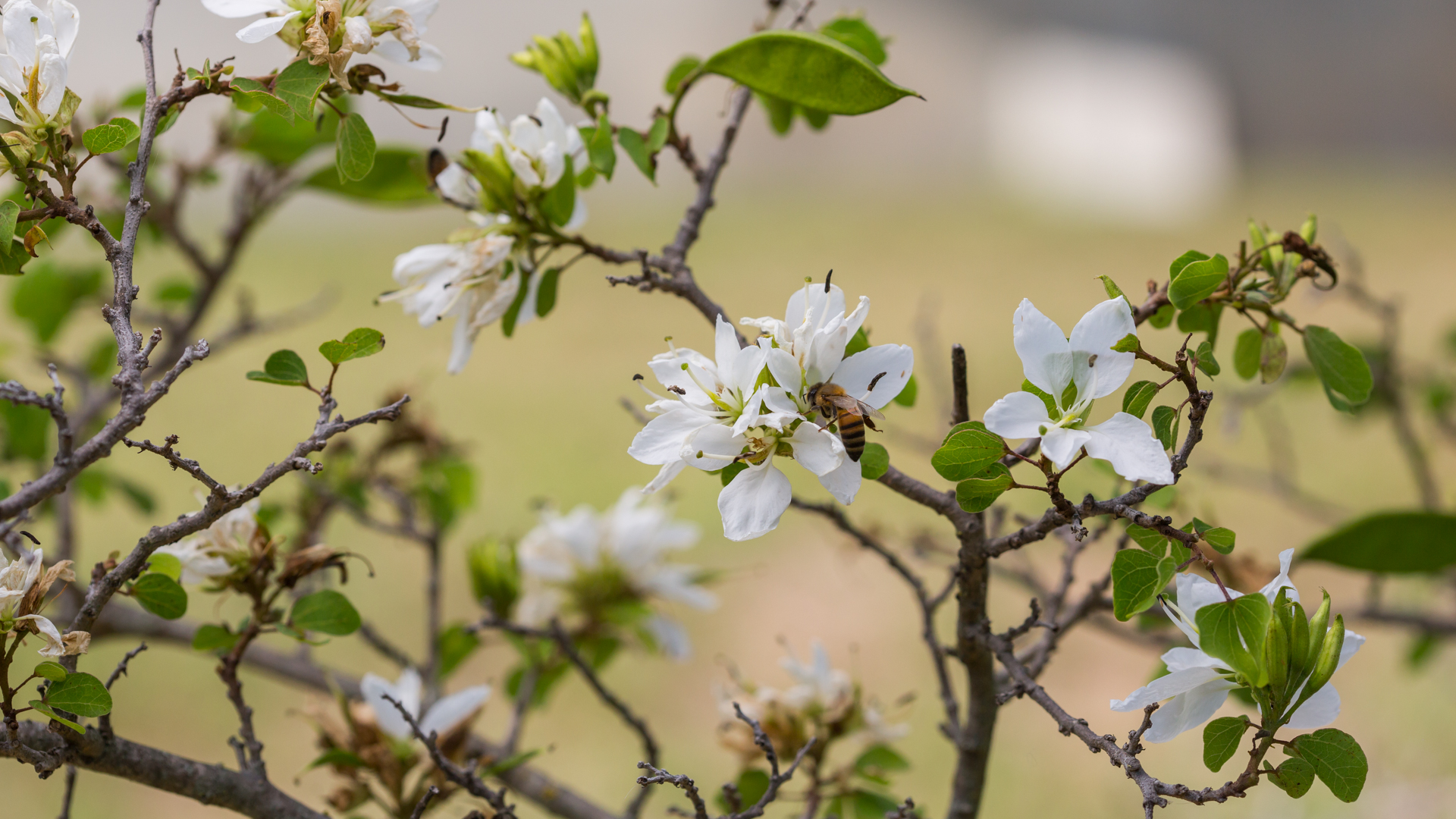 Anacacho orchid tree (Bauhinia lunarioides)
- Bird of Paradise (Erythrostemon gilliesii)
- Bluebonnet (Lupinus texensis, subcarnosus)
- Eve’s necklace (Styphnolbium affine)
- Goldenball lead tree (Leucaena retusa)
- Guajillo (Senegalia berlandieri)
- Honey mesquite
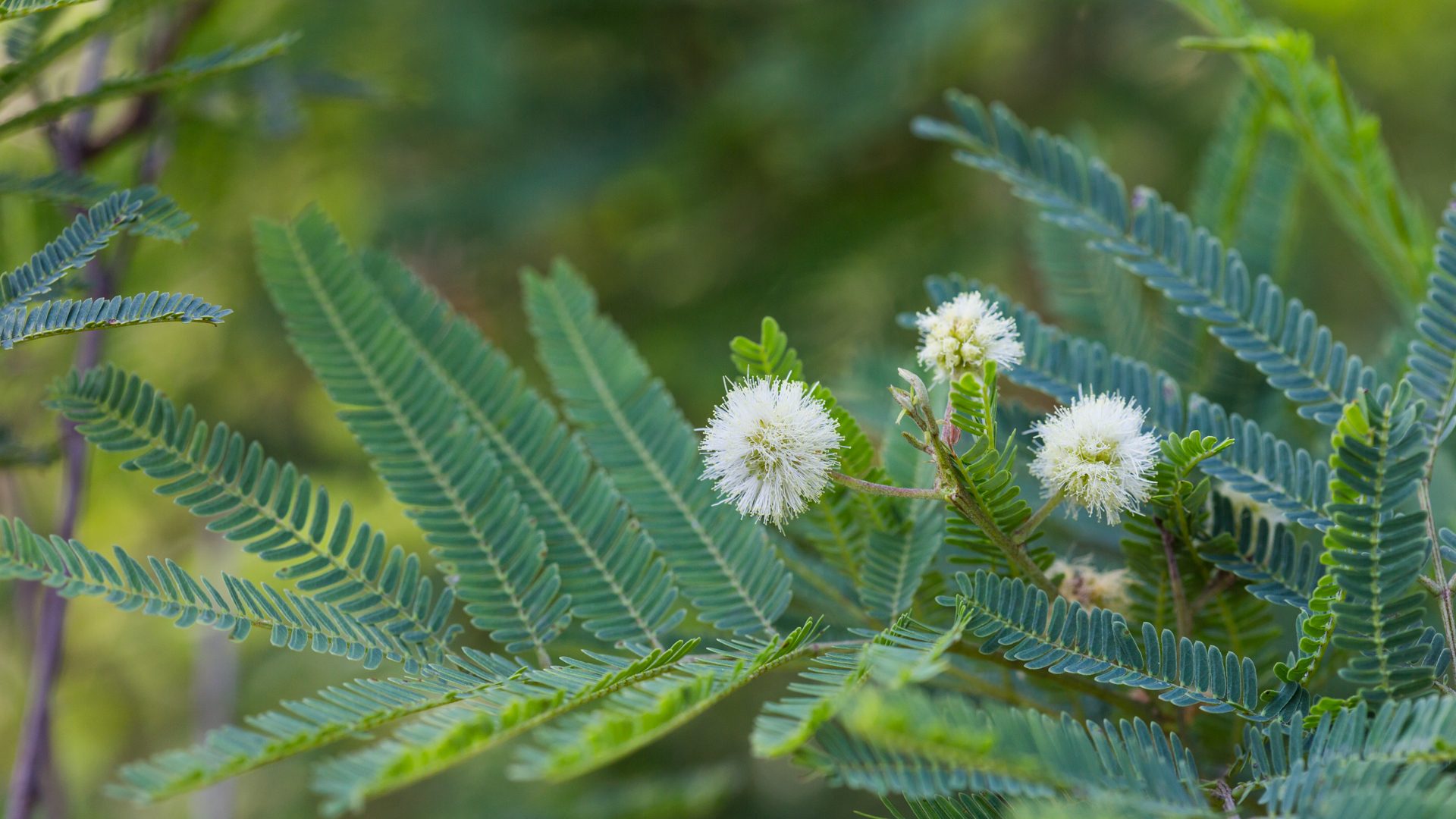 (Neltuma glandulosa)
 - Huisache (Vachellia farnesiana)
- Kidneywood (Eysenhardtia texana)
- Retama (Parkinsonia aculeata)
- Texas mountain laurel (Dermatophyllum secundiflorum)
- Texas redbud (Cercis canadensis texensis)
Adding native legumes into a landscape will provide more than drought tolerance and low water use. These plants will continuously improve the soil they grow in, reducing dependence on synthetic fertilizers and supporting a landscape that becomes more self-sufficient.
Dylan J. Garibaldi is an intern with SAWS Conservation Department.
