
Whether voluntary or planted on purpose, these native vines can provide privacy, serve as groundcover, and attract wildlife.
Many of us appreciate the shade given to us by trees on a hot summer day, and the privacy given to us by shrubs that stand tall by our backyard fences and make our spaces feel like a hidden paradise.
But have you ever looked around and noticed that some vines make themselves at home on your fences, sometimes without you even lifting a finger to plant anything? There are quite a few vines that give you a sense of privacy, or just something pretty to look at, while also offering great benefits to wildlife.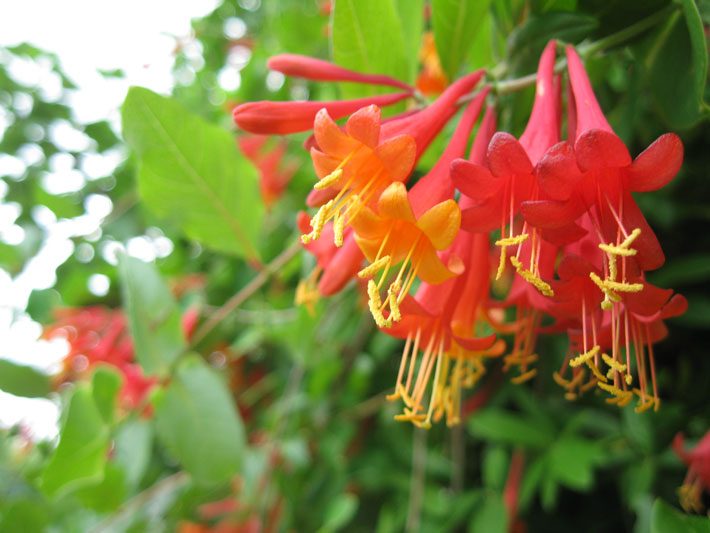
Coral honeysuckle, also called trumpet vine, is native to Texas and stuns with coral-colored flowers that attract hummingbirds and other pollinators. In contrast to the invasive Japanese honeysuckle, you’ll find that coral honeysuckle behaves quite well and isn’t an aggressive grower.
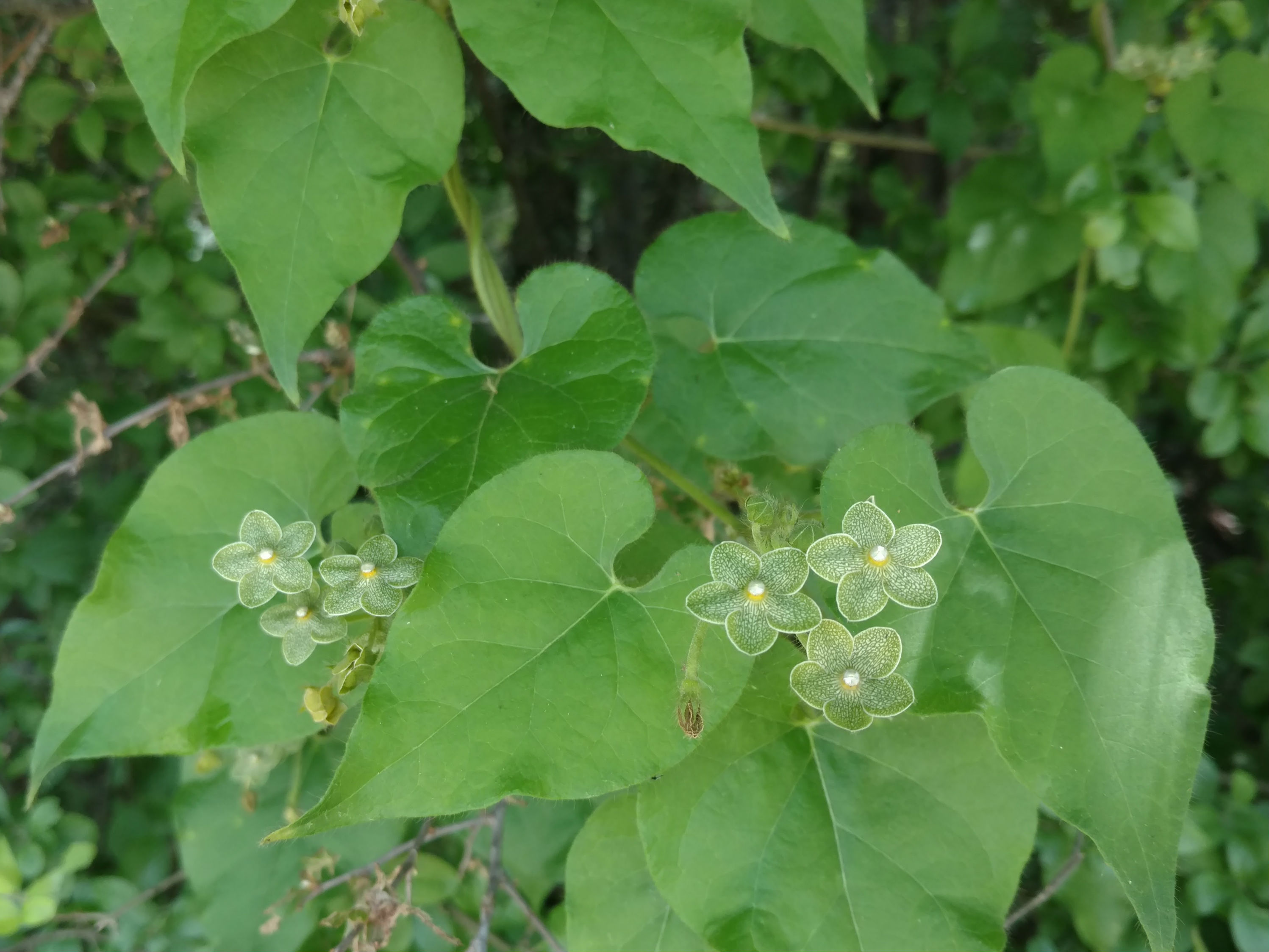 If you’re fortunate enough to have pearl milkweed vine, rejoice! You’re in the presence of a stunning native vine that’s difficult to find in the typical nursery trade. This vine serves as larval host for monarch and queen butterflies, but you’ll also find many other pollinator friends enjoy the glamorous charm of this bejeweled native.
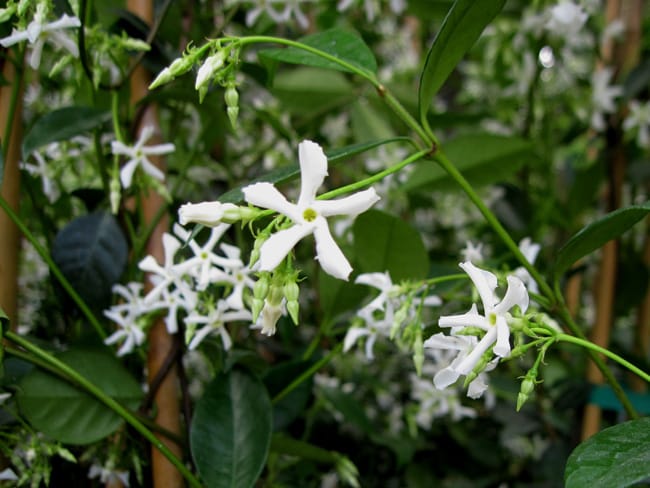 Though not native to Texas, star jasmine is well-mannered and drought hardy. You’ll find great joy in walking by and smelling the peppery, bright fragrance of the stunning pinwheel-shaped flowers. It’s versatile in that you can use it as a groundcover (like Asiatic jasmine, but much better in my opinion) or as a climbing vine. Just be mindful that you’ll need to trim it every now and then to make sure it doesn’t climb too high.
 Snapdragon vine is another native favorite of mine that you may have seen poking out from a shrub. With gorgeous flowers that resemble snapdragons, it looks delicate but is quite resistant to drought. This vine may not provide the sprawling fence cover you’re looking for, but it’s lovely for small trellises and hanging baskets or billowing out of a pot if you need something to adorn your patio. Otherwise, you can use it as a flowering ground cover. And if you want to be extra creative, you might have it grow alongside other well-mannered vines — it’ll provide pretty pops of purple and white along your fence.
As the weather gradually begins to cool down, it’s a good time to survey what’s growing on your fences or around your neighborhood. Whatever looks successful may just be what should earn a spot in your garden next.