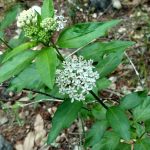
Milkweed, Tropical Milkweed, Flor de Sangre, Hierba Maria
About This Plant
Freeze Hardy
Flowering
Deer Resistant
Attracts Butterflies
Full Sun
Part Sun/Shade
Medium Water
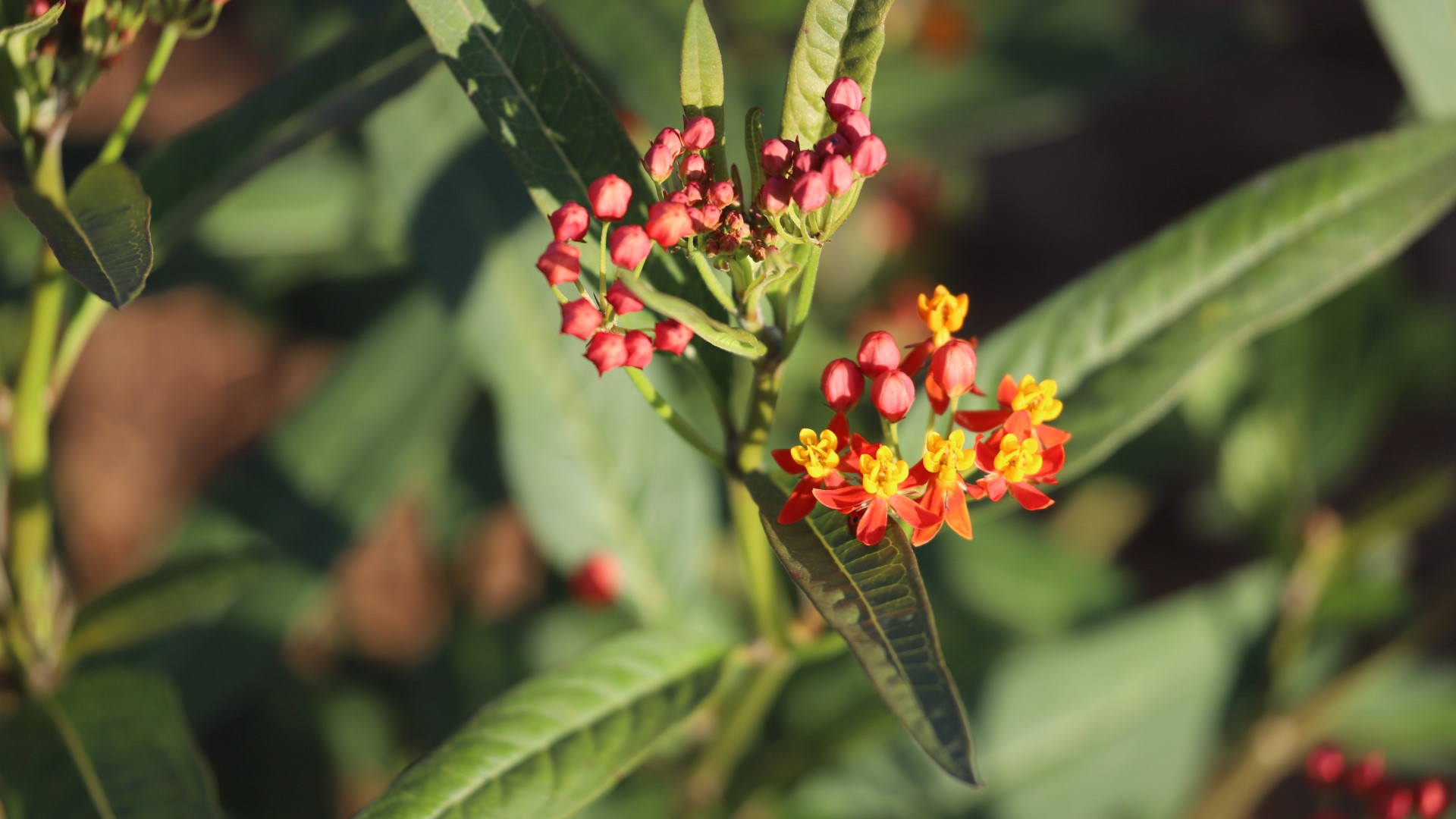
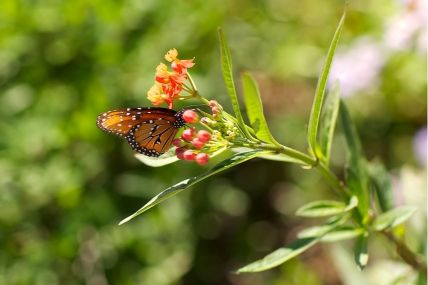
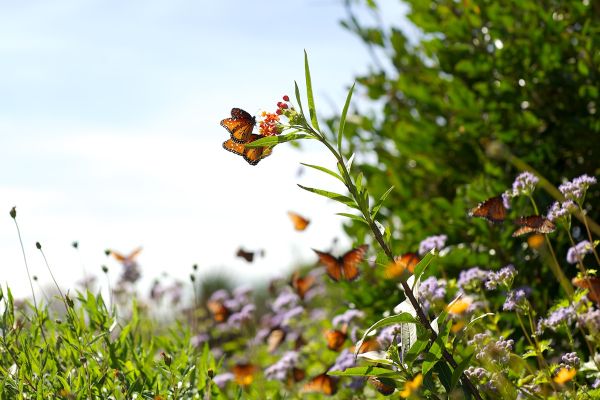
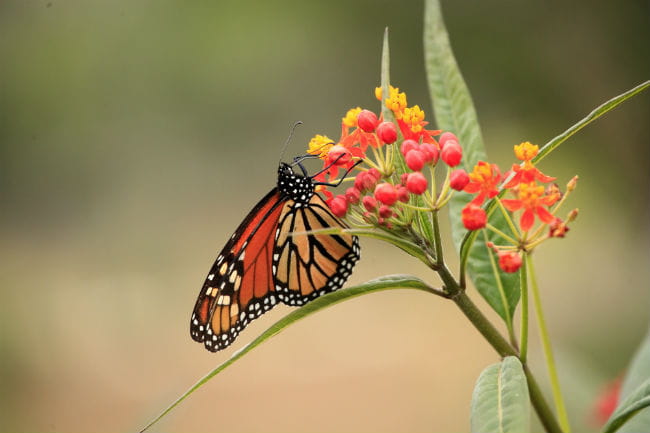
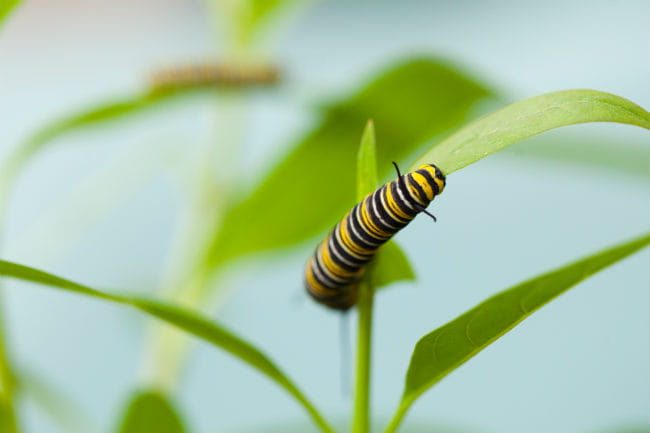
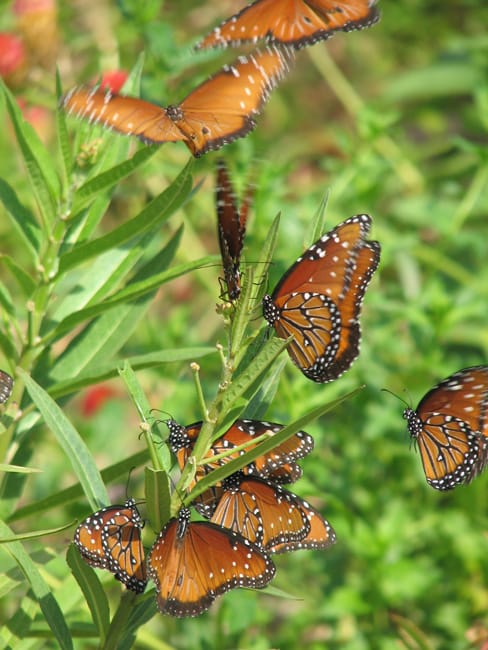
Sun/part shade; an herbaceous perennial with yellow orange and red flowers spring through frost. It attracts monarch butterflies as well as many aphids and ladybugs. Monarchs use milkweeds exclusively for their eggs, and as larval hosts for their caterpillars; it’s been suggested that they evolved on this plant. If you’re using tropical milkweed to attract monarchs, be aware that growers’ pesticides can be lethal to your caterpillars. Shop for milkweeds that have been grown without pesticides.
Origins: Tropical Americas
Maintenance
Expect milkweed to be heavily grazed by caterpillars and aphids, especially in autumn; this is a part of a natural cycle, so resist the urge to spray pesticides on your insects. Unlike many milkweeds, tropical milkweed is fairly evergreen. Research suggests this may promote overwintering monarchs that get ravaged by pathogens and then spread it to others. Best practice, for now: cut tropical milkweed back after Halloween and keep it pruned until February. Think of it as a way of encouraging your butterflies to fly on south.