

Paying attention to their light requirements and watering needs before putting them in the ground can determine whether they flourish or fail.
Have you ever handpicked a plant from a nursery only to completely disregard the included care tag? The placement of the plant in your landscape and corresponding sunlight can be just as important as the amount of water you provide for healthy growth.
In grade school we learned that plants make their own food through a process called photosynthesis. Plants use their leaves to capture sunlight and use it, along with water and carbon dioxide, to produce the sugars they need to grow, flower and establish good root systems.
Plants have developed qualities that can help them thrive in different environments. Care guides often categorize them into the following:
Shade
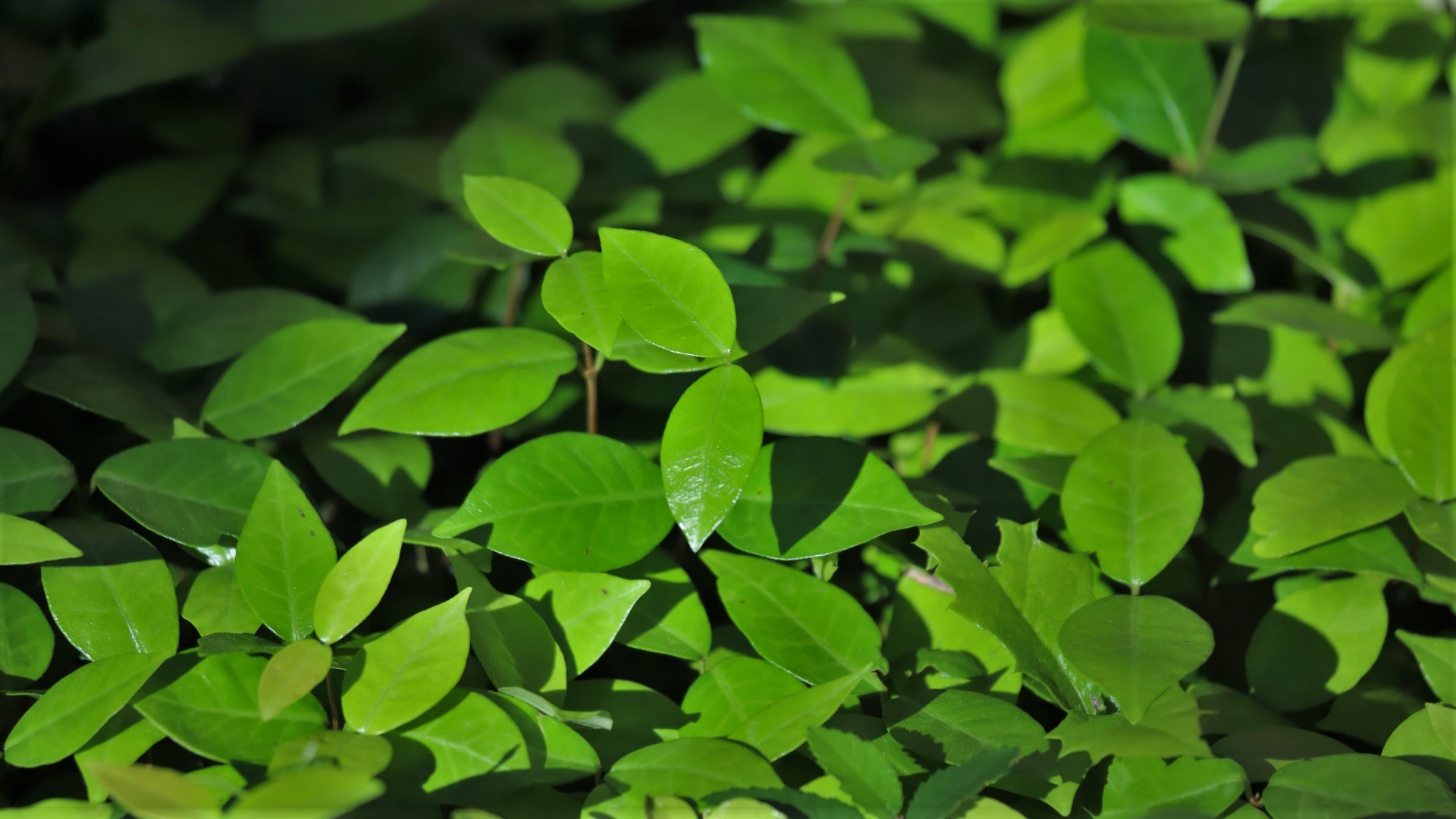 These plants generally have leaves with a greater surface area for maximizing the capture of sunlight and have a higher concentration of chlorophyll. Examples of plants that do well in shade include asiatic jasmine and split-leaf philodendron.
Partial shade/sun
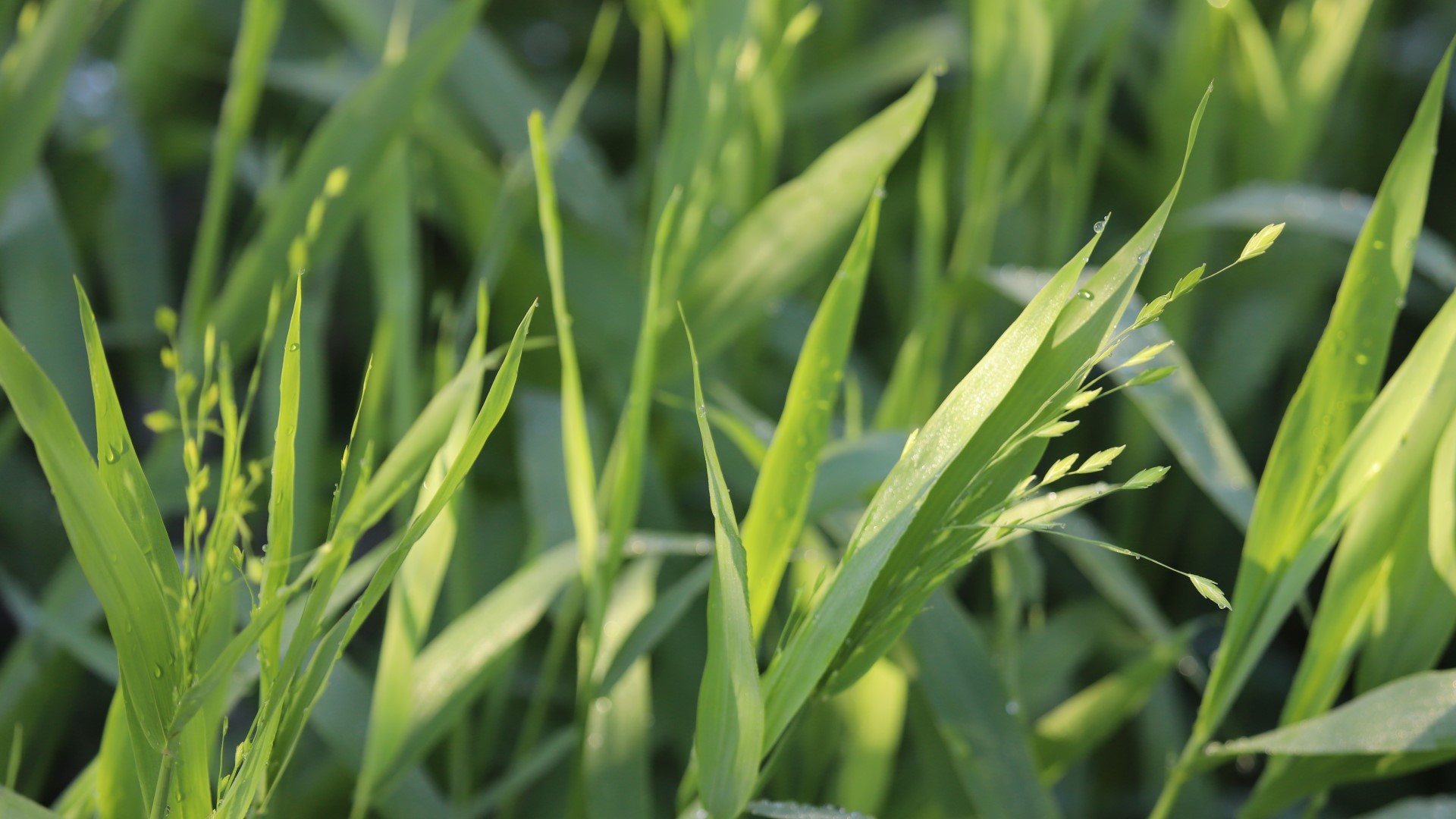
These plants can be placed under or on the edges of a tree’s canopy. Their leaves are thinner and more susceptible to sunlight. The leaves are also long-lived because replacing them can be costly in a low-energy environment. Plants that do well in partial shade include inland sea oats and Turk’s cap.
Sun
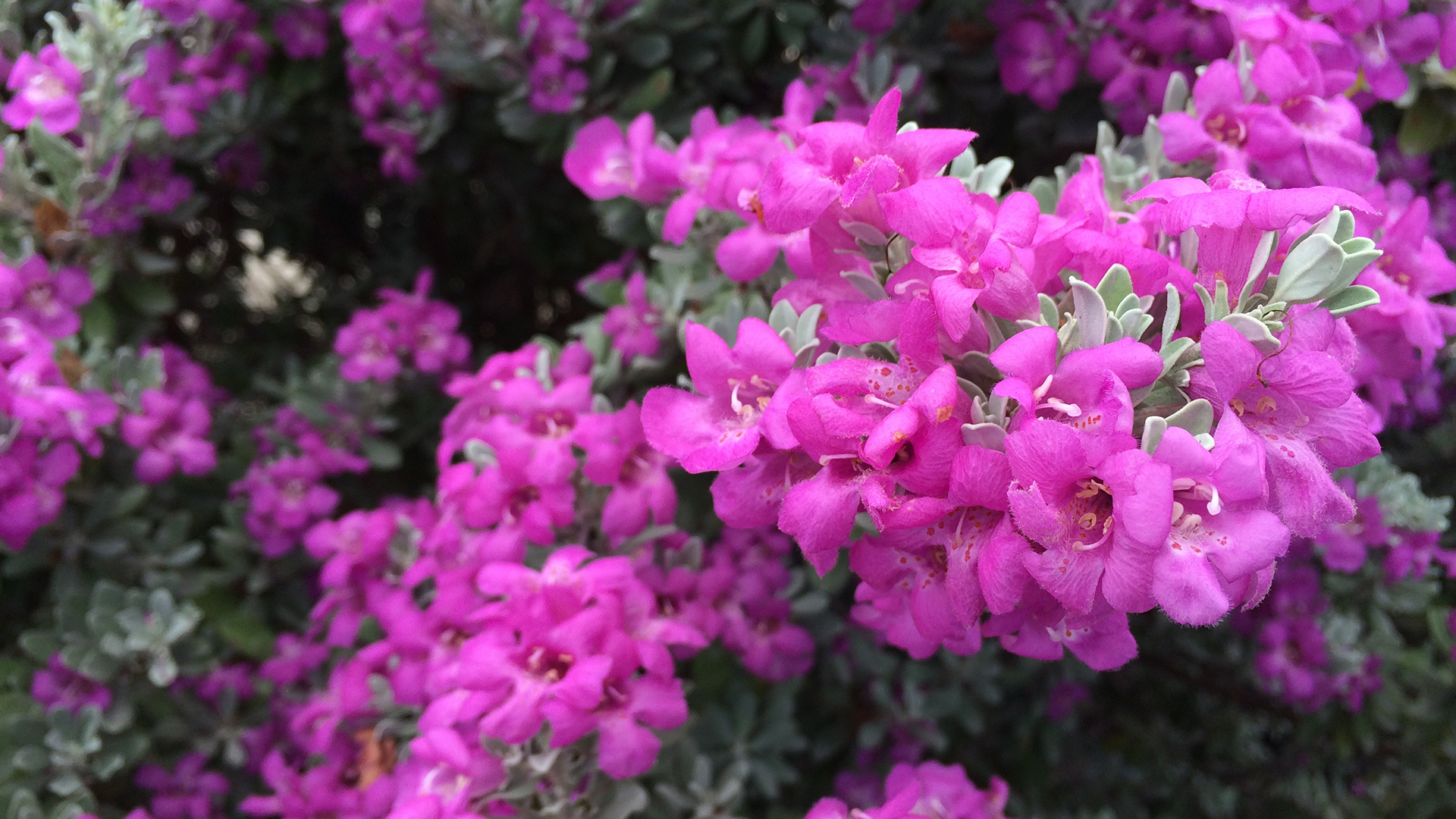 Sun-loving plants have smaller leaves that are thicker to prevent overheating. They can also have protective pigments and reflective surfaces. Examples of plants that do well in this environment include the blackfoot daisy and cenizo.
Planting shade-loving plants in direct sunlight can cause stress, while placing sun-loving plants in the shade can stunt their growth. So, remember to be kind to them and always follow directions.
