
Hummingbird migration is in high gear. Here are a few feeder-cleaning tips to help keep our hovering houseguests healthy.
It’s easy to observe these winged wonders in action with a hummingbird feeder. But meticulous maintenance of the feeder is critical for the health of these hovering houseguests.
Hummingbirds can contract diseases by eating food infected with mold and bacteria, including aspergillosis, candidiasis, avian poxvirus and salmonellosis. These organisms can attach to their beaks and tongues, causing gastrointestinal problems.
Solutions:
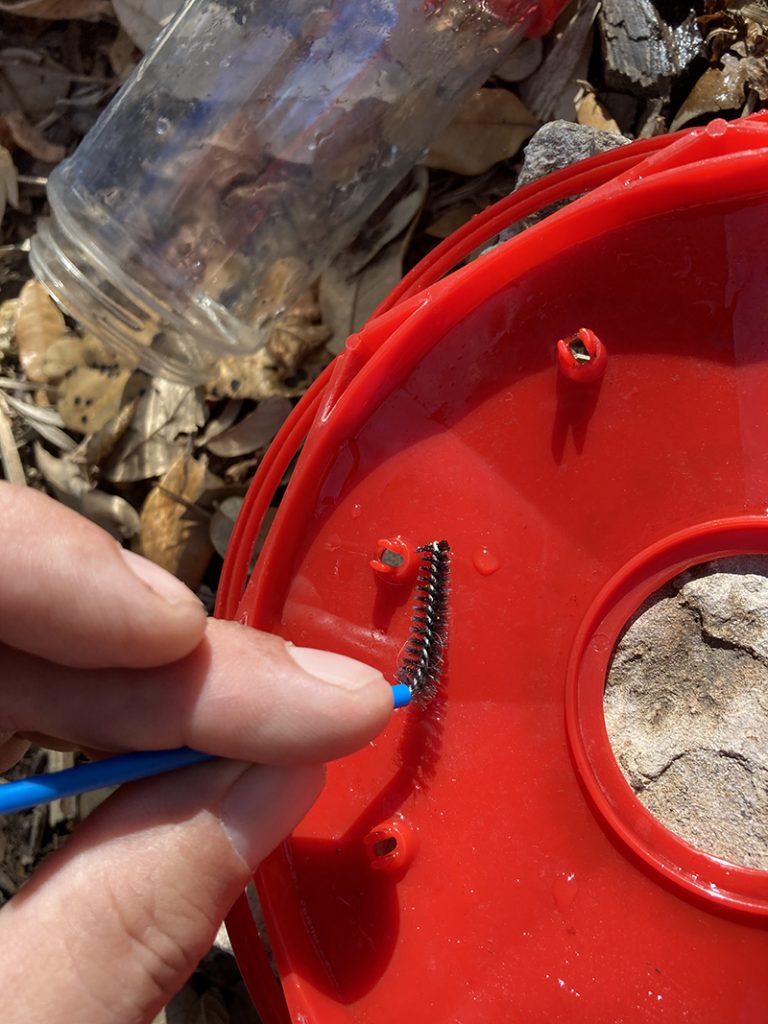 Clean the feeder and feeding ports frequently. If you’re keeping a feeder outdoors, you should expect to clean the feeder every time you refill it as a responsible host. Tiny bottlebrush-style bristles are invaluable for cleaning each of the feeding ports before placing a feeder back in the field. For bottle-style feeders, longer brushes are available to scrub the inside surfaces.
-
Change the fluid more often. In hot weather, mold and bacteria can form in just a few days, sometimes even in just a few hours. If you’re keeping a feeder outdoors, expect to refresh the fluid at least twice a week.
-
Get a smaller feeder. An easy way to keep fluid from spoiling is to use a smaller feeder in the first place. Four-ounce feeders are just as attractive to hummingbirds, and their small volume allows the birds to fully drain the feeder in between refills.
-
Get a second feeder (or more). This allows you to rotate feeders and give each one a chance to dry out for a few days in between deployments.
-
Get a hummingbird feeder that’s easier to clean. Dish-style feeders with ant moats and snap-on lids were exotic just a few years ago, but they’re a game changer when it comes to easily scrubbing out the basin, especially compared to old bottle-style feeders where you could never reach inside.
If you don’t have time or appetite for frequent feeder cleanings, a great alternative to artificial feeders is to just plant WaterSaver trees and shrubs (that they can also use for perching) and fall-blooming WaterSaver plants like autumn sage, esperanza, flame acanthus and pride of Barbados.
Hummingbird activity is just about as frenetic as it gets right now. As they make their way southward, their local numbers will decrease rapidly. (The annual Rockport-Fulton HummerBird Celebration just wrapped up this weekend.)
In San Antonio, our summer resident hummingbird, the black-chinned hummingbird (the one with the black and purple throat) has already mostly departed for the year, starting in August. They’ve been largely supplanted at feeders and flowering plants by the ruby-throated hummingbird, on its way south from summers spent in Canada and the Eastern U.S.
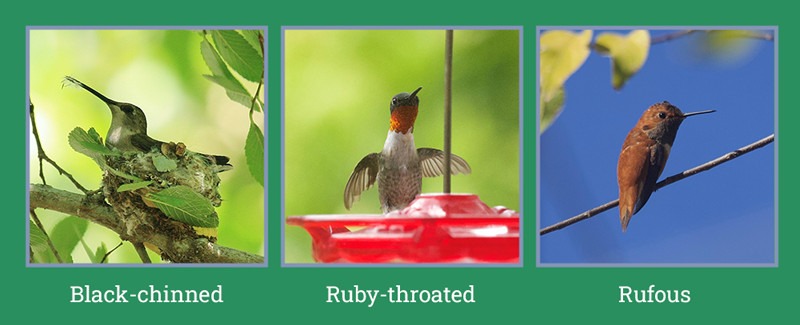
After the ruby-throateds are gone, various winter species like the rufous and broad-tailed hummingbird may stick around over the cool season.