
Blowing grass clippings and leaves into the street may be simpler and save time, but these materials can clog stormwater drains, harming rivers, streams and neighborhoods.
A sure sign of spring, summer or fall is the presence of bags full of leaves or lawn clippings on the curb or an organics (green) receptacle full of the same materials ready to be picked up by the organics recycling truck. Raking leaves and collecting clippings is hard work and to save time and effort, these leaves and clippings often end up elsewhere — the street.
Although blowing, raking, or sweeping leaves and clippings into the street seems like a time-saver, in the long term, it’s not beneficial for your landscape or the environment. Plus, leaving them in the street is a violation of the City ordinance (pdf).
Here’s why. The city’s stormwater drains — which are separate from SAWS’ sewer system — are designed to collect and direct runoff from rain events into streams, creeks and catchment areas so these waters don’t cause damage or flooding problems. (The pass-through stormwater fee on your water bill is from the City of San Antonio and helps cover the cost of construction and maintenance of the stormwater drainage system.)
So, can lawn clippings and leaves really cause harm to the stormwater system? Yes, because if enough of these materials are washed into the storm drains, they can cause rainwater runoff to backup and flood streets and neighborhoods.
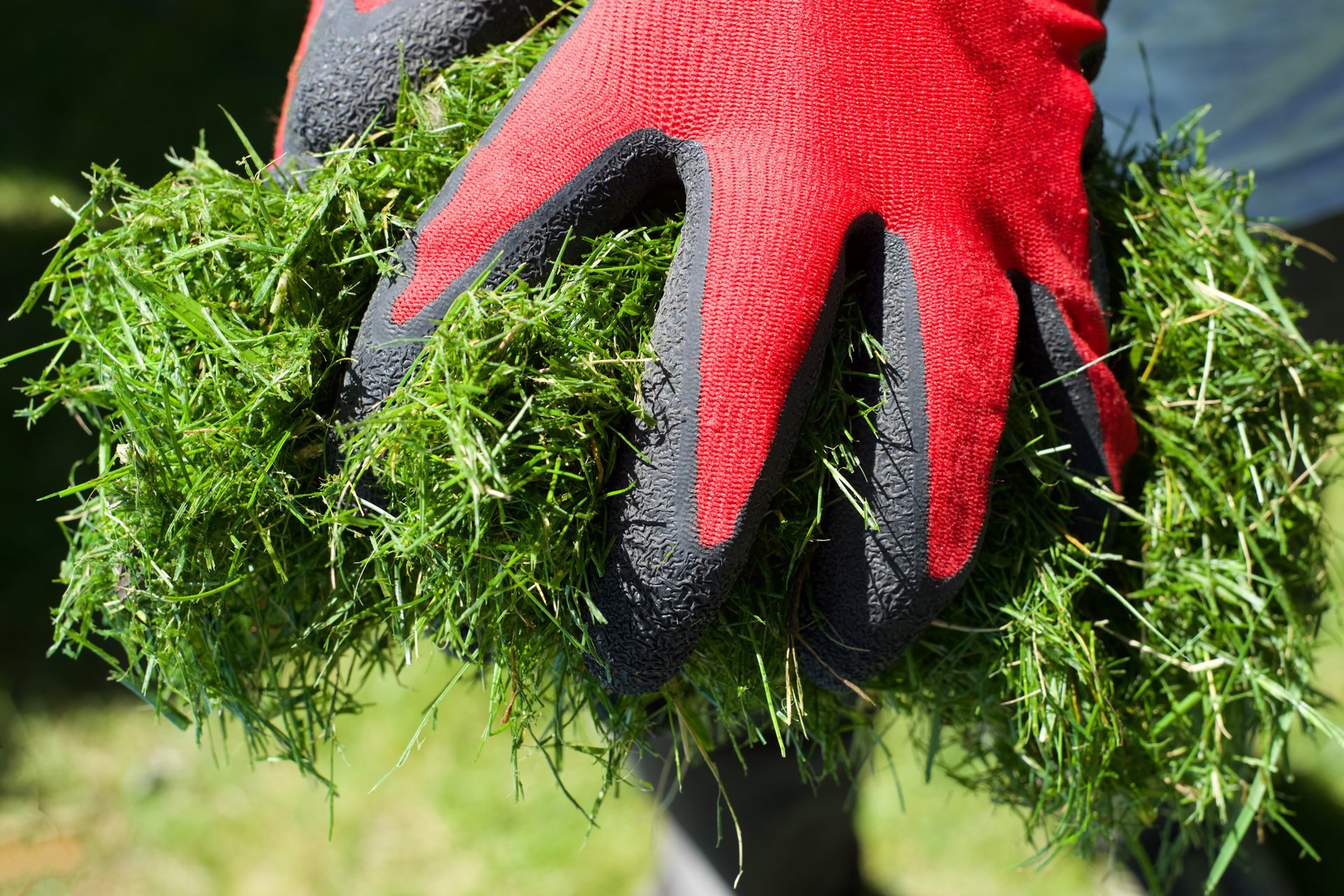
Landscape debris also introduces solid materials, including soaps, detergents and oil from vehicles, into stormwater runoff that could affect rivers and streams. This is one reason runoff from irrigation and car washing/power washing is considered water waste in the conservation ordinance. It’s meant to protect the quality of water running into streams and rivers.
Next time you are raking leaves or mowing the lawn (especially the latter), consider the following alternatives to blowing/sweeping the leaves and clippings into the street.
- Mulch the clippings and leaves with the mower and leave them on your lawn.
- Ask your lawn company to blow the clippings and leaves back into your yard instead of into the street.
- Collect the leaves and clippings in your green organic waste can (if you have one) so they can be composted by the City.
These leaves and clippings contribute in a useful way to the soil and provide a lot of benefit in the long run. Work with nature, not against it.