
Compost isn’t a cure-all. But applying it twice a year, every year creates healthy soil, healthy plants and better water retention over the long term.
While you might think adding compost to your garden or lawn is just a slow-release way of fertilizing, it’s so much more.
In the short-term some nutrients are released from fresh compost, but the real benefits are realized only after years of successive applications — and it’s a wild ride.
Soils in Texas are naturally low in organic material. The organic matter present in any soil is a balance between how fast organic material is produced, organic waste from dead plants and animals, and the decomposers — mostly bacteria and fungi — that break that waste down.
Our long warm season favors decomposition, and the urban environment decreases natural regeneration further, which is why organic matter tends to decrease in local soils over time.
After a long hot season in San Antonio, organic material in your soil is naturally depleted. Adding compost to lawns in spring and flower beds in fall can help restore it. And you won’t need much: just a quarter- to half-inch layer of compost every year is enough.
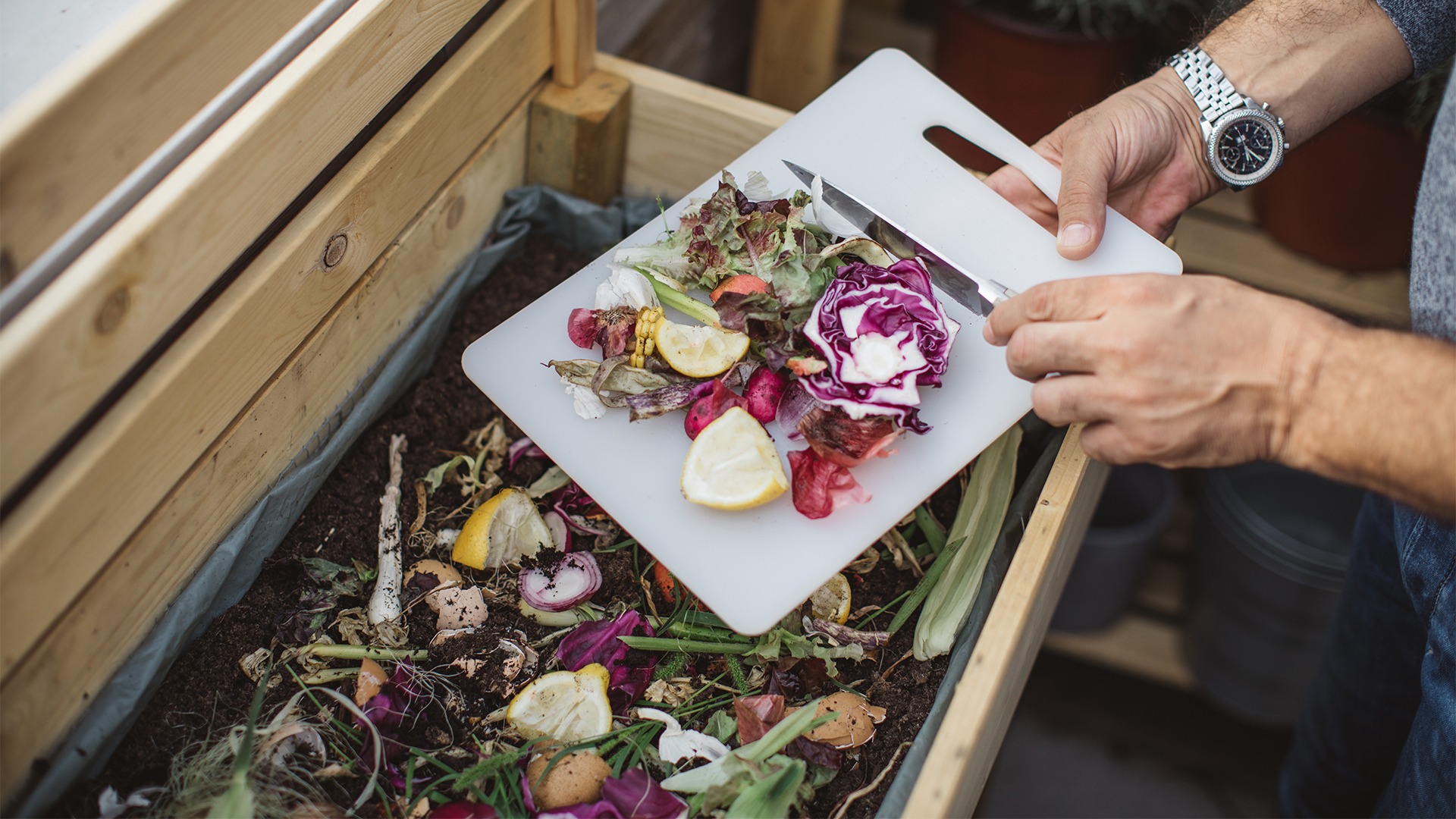
Compost is mostly decomposed material from living organisms and can be made at home or purchased. Adding it to your garden beds in fall can both suppress plant pathogens and serve as a food source for beneficial organisms in your soil. Any material that isn’t completely broken down will help soil hold on to nutrients and increase the opportunity for water infiltration.
Together these factors make it possible for plants to produce more roots. As they grow and die naturally over the course of the year, they increase the soil’s organic matter in a positive feedback loop.
Increasing your soil’s organic material is a multi-year process. While a single application of compost isn’t a cure-all, repeating it over the course of time can establish a healthy living soil. Your plants will return the favor by looking better, being healthier and, in the long term, become more resistant to drought.