
If you’ve been watering in winter, you may need to wage a war on weeds. Here are the six usual suspects to be on the lookout for.
Our mild winter weather provides perfect growing conditions for winter yard weeds, even with fairly dry weather and ongoing drought. While the turfgrass is dormant, and the mower isn’t visiting regularly, cool season volunteers have a huge opportunity to get started. Here are a few of the usual suspects beginning to pop up:
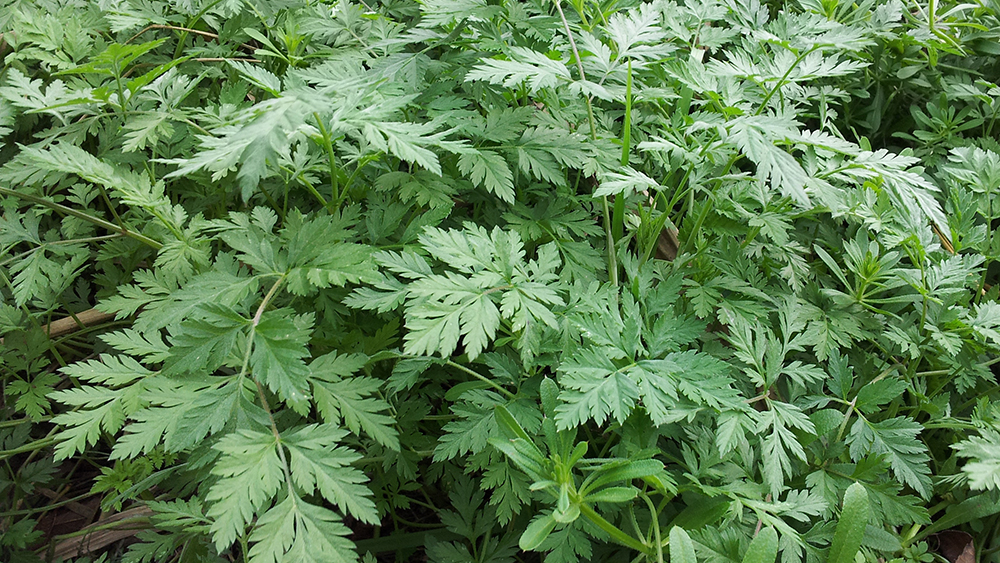
Beggar ticks (Torilis arvensis): Beggar ticks look innocent enough when their tiny white flowers are in bloom, but beware. When the seeds mature in spring, they’ll be coated in tiny prickles that completely coat shoelaces, socks, pants and pets.
In early spring it can still be pulled by hand, especially when the ground is moist, but the roots are surprisingly deep — it’s a relative of carrots, after all.
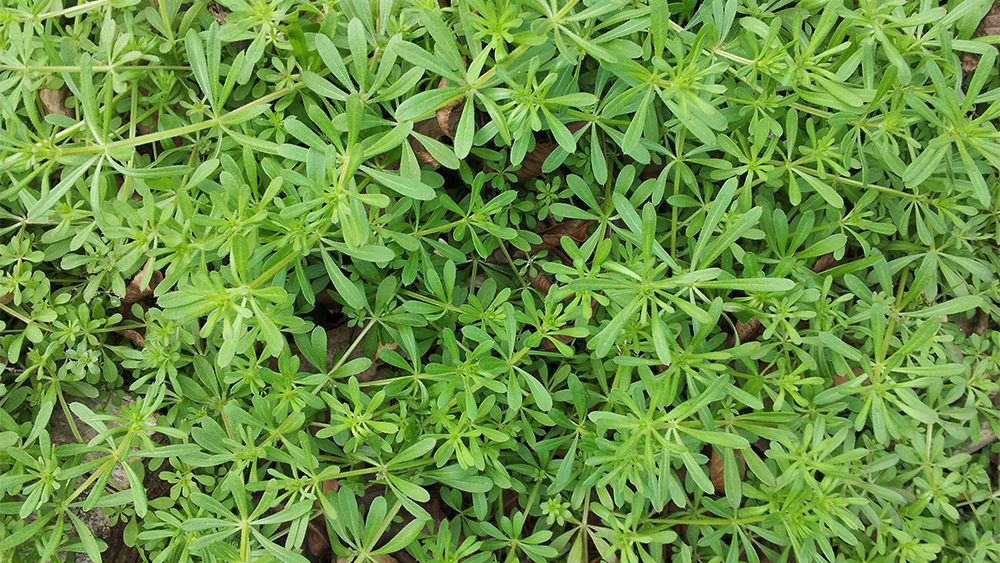
Bedstraw (Galium aparine): Whether you call it bedstraw, cleavers, catchall or Velcro plant, the name describes the scratchy hooks that cover the leaves, stems and seeds. Bedstraw forms climbing, tangling, sticky piles of smothering mass in shaded areas. It can be an irritant for us mammals and gardeners, and a smotherer of small wildflowers and spring bedding plants. Early in the season, it can still be easily pulled up by hand, hoe or even a broom (since it sticks to just about everything).
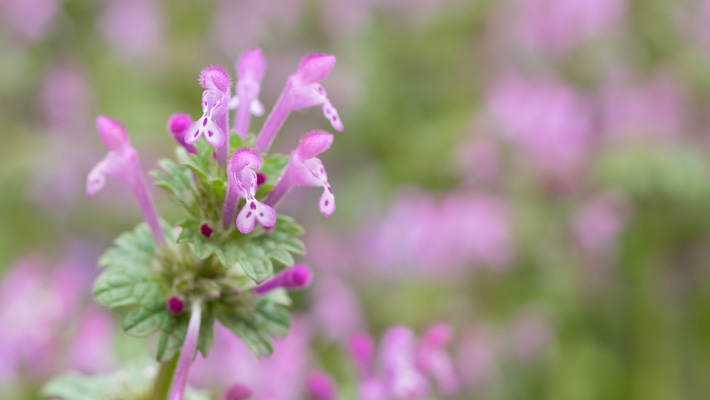
Henbit (Lamium amplexicaule): Pink and purple flowers on square mint stems are the hallmarks of henbit, which forms spreading piles in flowerbeds and lawns. It belongs to the mint family, so it’s pushy, but young plants can be easily dispatched with a hoe. Henbit is edible and makes nice flower arrangements, which may be another reason to remove it from turf grass this time of year.
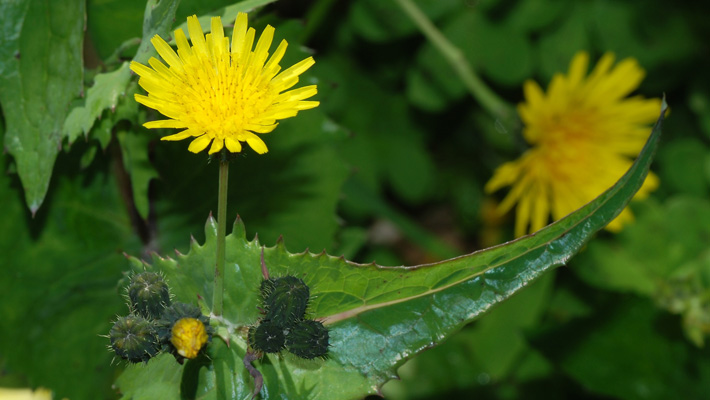
Sow thistle (Sonchus oleraceus): Its clawlike leaves can give an unpleasant surprise if you rub them the wrong way. The seeds resemble dandelion and spread easily in the wind. Even in heavily managed sites, the deep roots make this a difficult weed to control, other than by repeated cutting and digging.
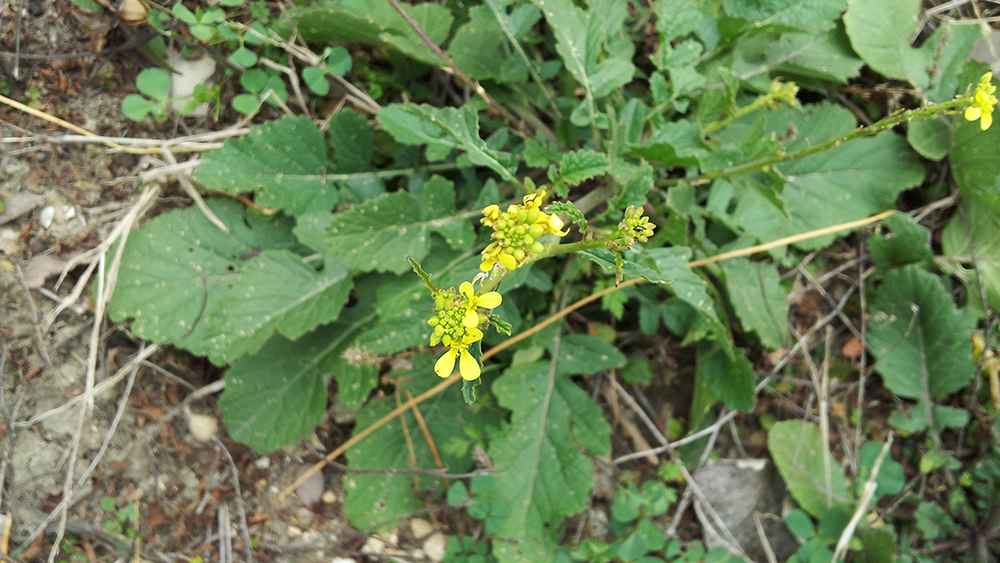
Bastard cabbage (Rapistrum rugosum): The big basal rosettes are a familiar sight in winter turf. Its name says it all — this giant perennial mustard bush can grow up to four feet tall and covers roadways in Central Texas with a monoculture of tiny yellow flowers resembling broccoli. It can easily be mistaken for a wildflower, but it tends to crowd out native Texas wildflowers.
Rescue grass (Bromus catharticus): This shallow-rooted cool-season grass is in contrast to our warm-season summer turfgrasses like buffalo, St. Augustine, Bermuda and zoysia. Rescue grass grows fast in late winter, dies back after spring and returns from seed the next year. It’s easily distinguished from cultivated winter ryegrass by its distinctive oat-like seedheads.
With enough winter precipitation, at its peak rescue grass can be the greenest turfgrass of the year — but it only stays green until the end of April.

One of the best ways to limit any of the weeds above is to leave your irrigation off between November and March, when most landscape plants are dormant. (As long as we get a good rain once a month, you shouldn’t need to water turfgrass at all in winter.)