
Ground covers can add flowers and color while helping you cut back on yardwork and watering.
A useful yard doesn’t have to be just a carpet of grass. In San Antonio, we have many different ground cover options that can replace thirsty grass with attractive plants that need less water and less work than grass once they are established.
If your lawn is sloped or has lots of shaded areas, ground covers can help stabilize soil and reduce erosion. There are many ground covers that can outperform grass in the shade and the sun, adding greenery and blooms to areas where grass may struggle to grow. Replacing grass where it struggles, such as beneath trees or beside hot sidewalks, can reduce yardwork maintenance and watering needs. I don’t know about you, but I’m always a fan of finding ways to reduce my yardwork!
Consider these five native ground cover options that are a good fit for our area:
 Frogfruit (Phyla nodiflora): This spreading native produces small white flowers that attract butterflies and other pollinators. It tolerates some foot traffic and can be mowed. It’s a low-growing and low-maintenance ground cover that is useful where a lawn-like appearance may be the look you’re going for.
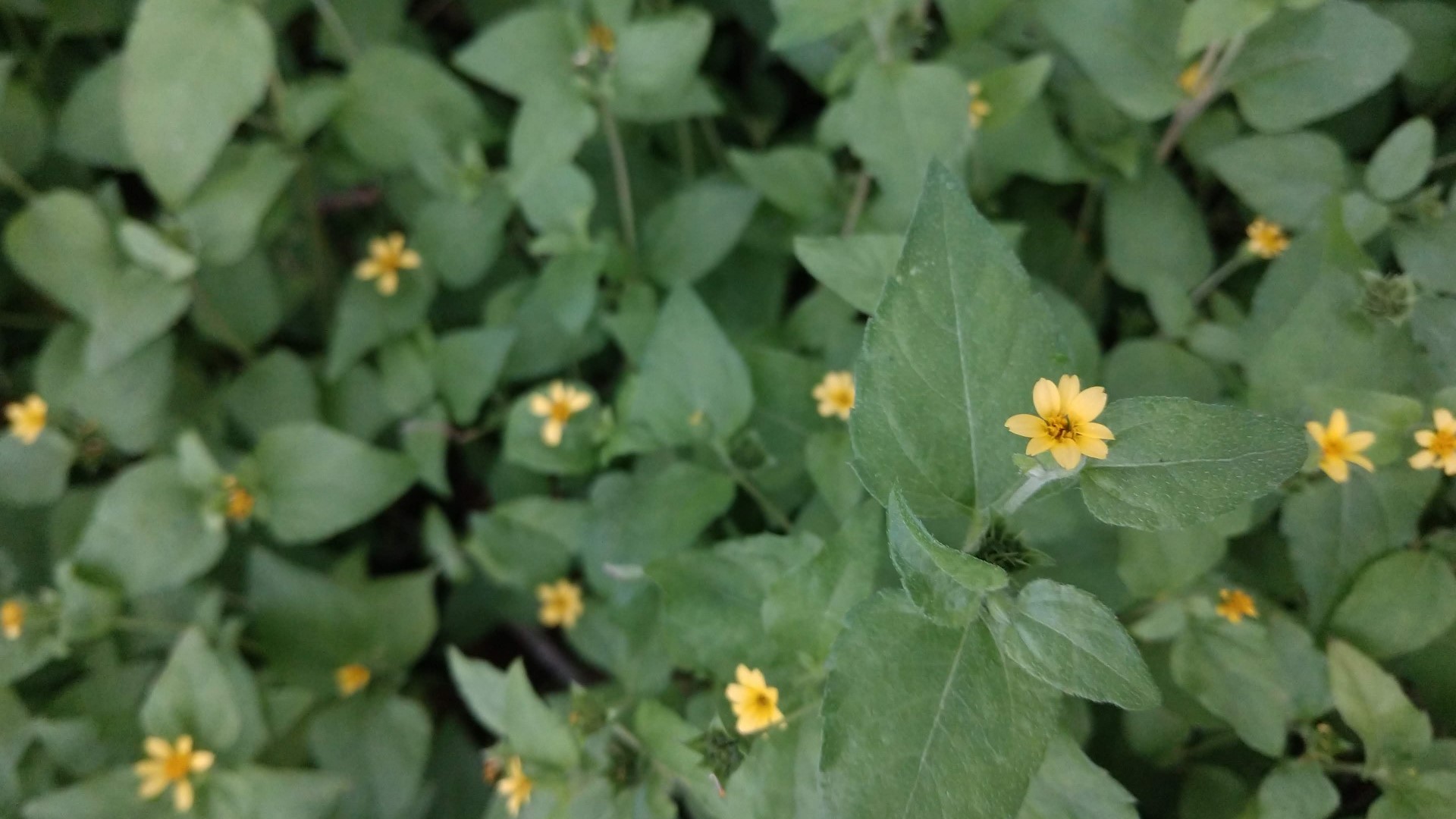 Horseherb (Calyptocarpus vialis): This is a great native ground cover with tiny yellow flowers that looks best in shade and can also be mowed. Horseherb can withstand foot traffic and can survive on rainfall alone once established. One drawback is that it may go dormant during drought, but it recovers when the rain returns.
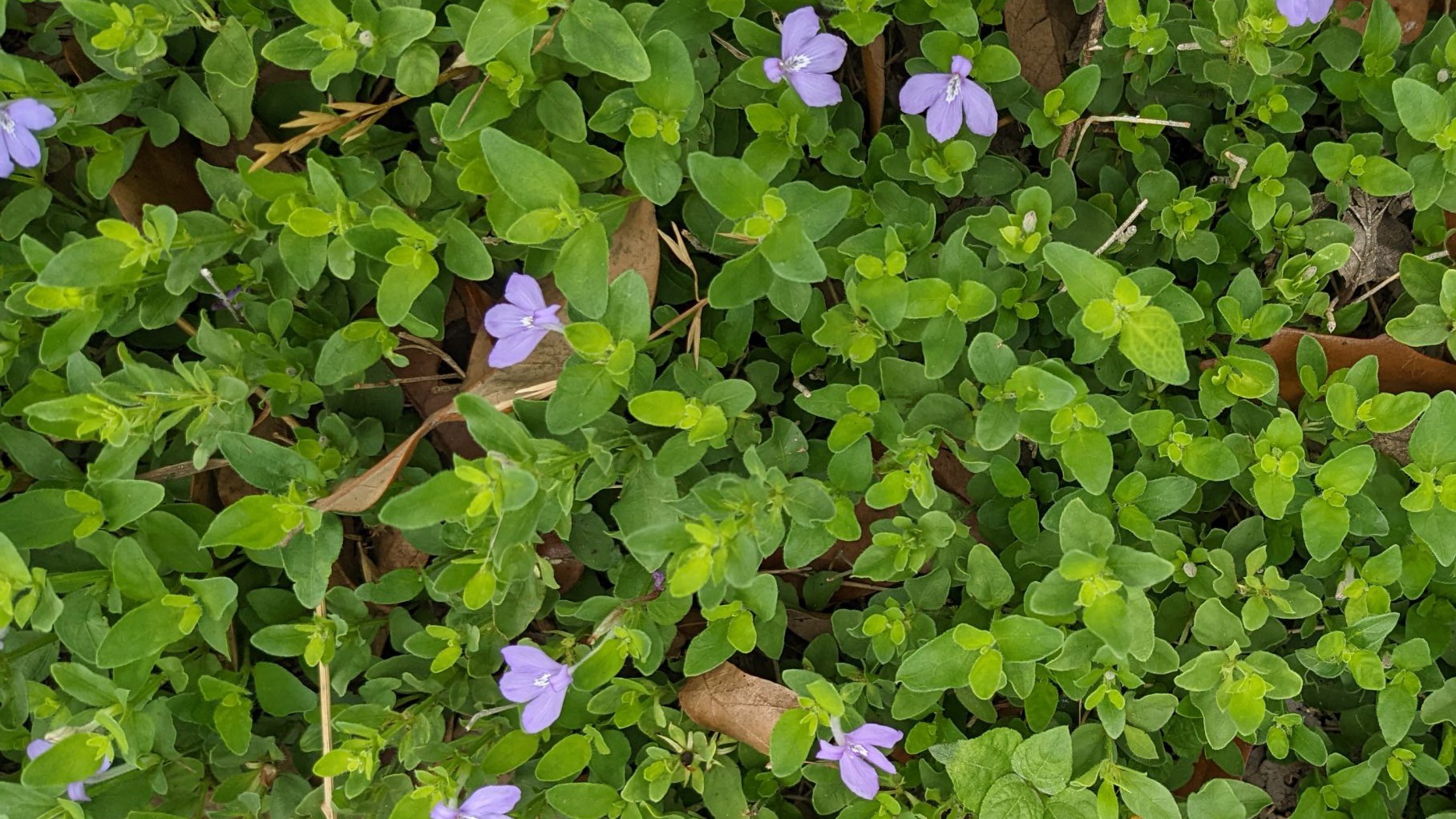 Gregg’s tubetongue (Justicia pilosella): This ground cover can outperform horseherb in areas that receive full sun and for that reason, it pairs well with horseherb. It stays low and spreads into small patches and is covered in little pink, purple, or white blooms after it rains. Like frogfruit and horseherb, it can tolerate mowing and foot traffic.
 Woolly stemodia (Stemodia lanata): Its fuzzy, silvery leaves and tiny, purple flowers help brighten sunny spaces. This is an exceptionally drought-tolerant native that needs very little water once established and thrives in heat and well drained soil. Use this ground cover to replace grass in areas where people don’t typically walk or play.
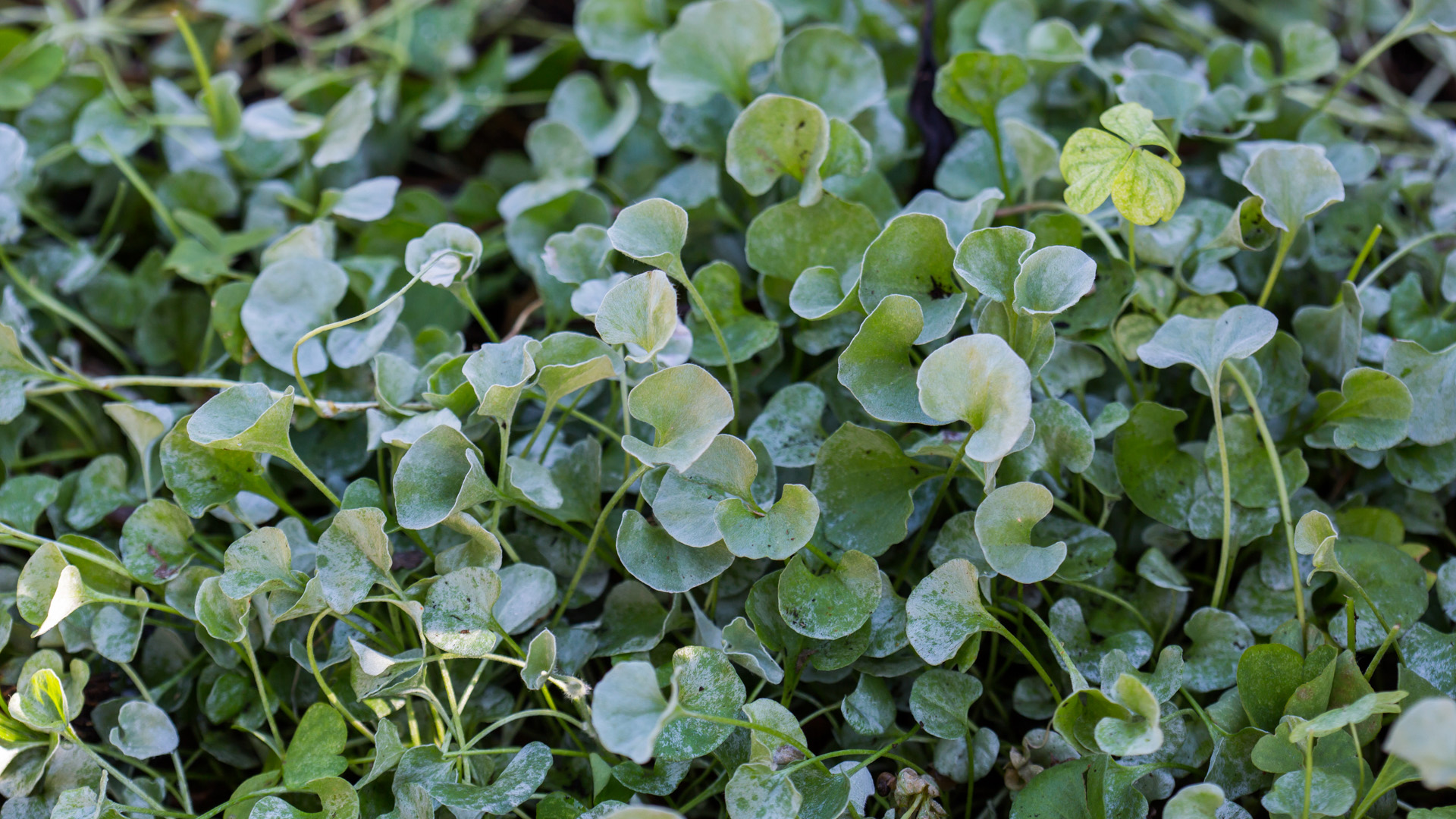 Silver ponyfoot (Dichondra argentea): You have probably seen silver ponyfoot growing in the raised medians of shopping centers in San Antonio. It can be a good ground cover near the curb or sidewalk and other very well-drained areas where grass is hard to grow, as long as there’s not much foot traffic. (Its metallic silver foliage can also look stunning spilling out of a planter.)
It’s important to choose ground cover plants that match your sunlight, soil, and intended use. Some ground covers, like frogfruit, are a good grass replacement and can even be mowed, while others work better under trees or in environmental extremes, including places that are constantly wet or extremely dry. The best native ground cover plants only need regular water while the roots establish, after which you can reduce or eliminate irrigation entirely.
Explore the GardenStyleSA plant database to find many more ground cover options and learn more about their growing requirements. Start with just one unused patch of lawn and grow your water savings from there.
Thoughtfully selecting the right mix of ground covers will help you grow a garden full of color and texture year-round while also being sustainable and conserving water.